
Saffron cultivation in Germany connects a familiar culinary spice with local growing experiments and revived regional interest. An October 2025 MDR report from Döbrichau, near Beilrode in northern Saxony, offers one example of that connection.
Döbrichau, northern Saxony · A local cultivation account · Careful flower handling and drying · Regional origin is context, not an automatic quality or sustainability guarantee.
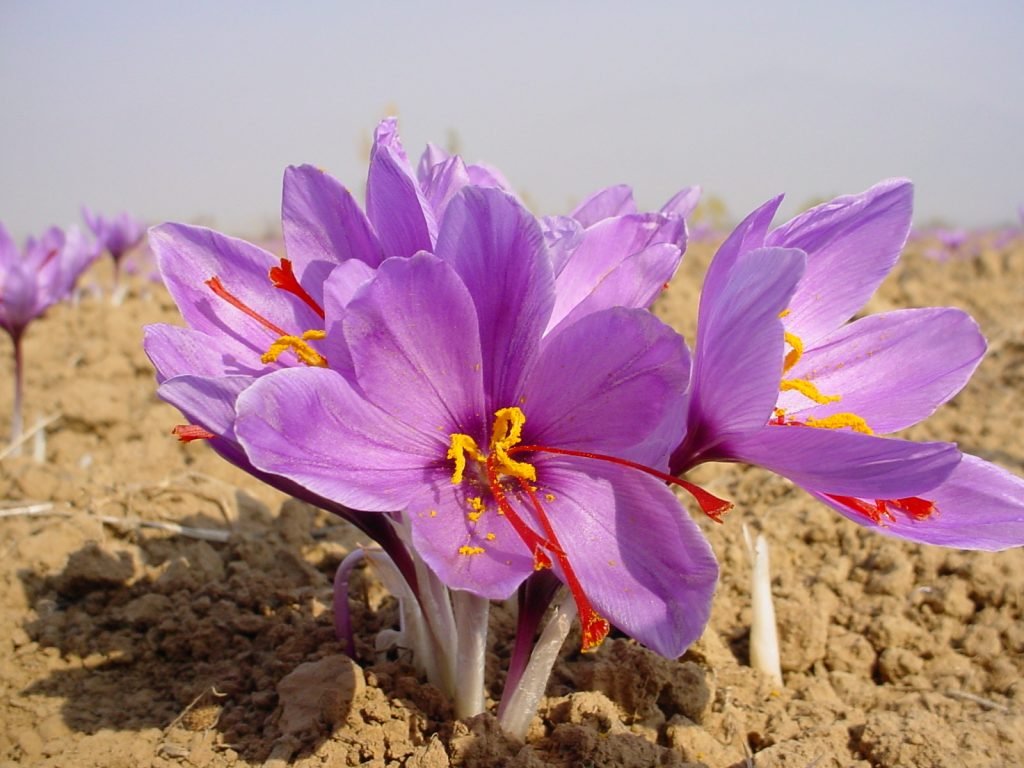
A local example from Saxony
MDR’s report, dated 26 October 2025, describes Harald Alex growing saffron in his garden in Döbrichau and preparing for his third harvest. The report places the harvest period between October and November.
This is a specific cultivation account, rather than evidence that every part of Saxony is ideal for saffron or that Germany has become a major production centre.
The work behind a small harvest
Producing saffron requires careful handling of flowers, separation of the stigmas and suitable drying. The quantity of finished spice is small compared with the flowers and labour involved.
For a local grower, the value of the project can include learning, a connection to the landscape and sharing knowledge with visitors. Those benefits sit alongside practical questions about yield and the time needed to process a harvest.
How to assess German-grown saffron
- Identity: Is the product clearly identified as saffron from Crocus sativus?
- Origin: What information supports the stated growing location?
- Batch: Is harvest timing and product identity documented?
- Handling: How was the spice dried, packed and stored?
- Testing: Which analytical results are available for the batch?
Local production can make a supply chain easier to discuss, but locality alone does not prove purity, flavour superiority or a lower environmental footprint. Compare products on clear evidence rather than their nationality.
Tradition and future cultivation
Renewed cultivation invites growers to test what works under local conditions. Useful records should distinguish flowers, dried stigma yield, corm development and costs across more than one season.
Appropriate research and equipment can support traditional craft. A successful garden harvest, however, is a different scale from a commercially reliable crop, and both deserve accurate descriptions.
Frequently asked questions
Can saffron grow in Germany?
The Döbrichau account documents a local example. Suitability for a new site still needs assessment of its conditions and cultivation plan.
Is regional saffron necessarily more sustainable?
Not automatically. A meaningful assessment includes cultivation inputs, energy, labour, packaging and transport across the whole product system.
Does origin determine quality?
Origin helps describe a product, while batch quality and authenticity need their own supporting evidence.
Source and further reading
MDR: saffron cultivation in Döbrichau, 26 October 2025. The original article also linked to a German-language MDR video.
Explore more cultivation stories in the Saffron Academy or discover Saffrona’s saffron collection.