
Saffron Academy · Knowledge & discovery
Saffron Innovation
From new extraction methods to indoor cultivation and more transparent supply chains, explore where saffron research meets practical development.
Three fields of exploration
Cosmetics and skincare research
Saffron extracts and compounds such as crocins and safranal are studied for potential cosmetic applications. Findings from a laboratory model do not establish the performance of a finished serum or cream. Extraction, stability, formulation and human testing all matter.
Functional foods and nutraceutical research
Saffron appears in food innovation and in research on standardised extracts. Culinary saffron, an isolated compound and a proprietary extract are different products; a study of one cannot automatically support claims about another.
Agricultural technology
Indoor growing, aeroponics, monitoring systems, irrigation management and improved drying methods offer directions for experimentation. Successful trials need to be assessed alongside yield, energy demand, labour, disease risk and commercial feasibility.
Why saffron attracts innovation
High value per unit of product makes saffron attractive to growers and ingredient developers, but profitability depends on production costs, harvest labour, market access and reliable quality.
Ultrasound-assisted extraction, supercritical carbon dioxide and encapsulation are examples of technologies explored for plant ingredients. Their usefulness depends on the target compounds and the intended application.
Interest in wellbeing products also creates opportunities for formulation research. Market enthusiasm is not a substitute for clinical evidence or permission to make a particular health claim.
Industrial applications
Cosmetic formulations
Potential uses include antioxidant-oriented formulation research and premium skincare. Product-specific testing is needed before attributing effects such as skin regeneration or anti-ageing performance to a finished product.
Food and drink development
Saffron contributes colour, aroma and culinary identity to drinks, desserts and other foods. Developers must distinguish sensory value from any proposed physiological effect.
Supplement and pharmaceutical research
Studies investigate saffron extracts and individual compounds in several biological models. Preclinical findings and early human trials have different evidential weight; neither should be presented as a universal treatment guarantee.
Natural colour and aroma
Saffron offers a distinctive natural colouring and flavouring profile. Stability during processing and storage is an important part of evaluating a proposed application.
Resource efficiency and responsible supply
Saffron is associated with comparatively dry growing regions, but water use varies with climate, irrigation and production system. A universal percentage saving cannot be assumed without a defined comparison.
Traceability, clear batch documentation, responsible sourcing and transparent quality data help businesses evaluate suppliers. Environmental claims should be supported by measurable information.
Future possibilities
Digital batch records, connected monitoring and traceability tools may improve supply-chain visibility. Indoor cultivation and regional European projects may also develop as growers adapt to changing conditions.
These are areas for investigation, not guaranteed forecasts for 2030 or 2035. Widespread adoption depends on costs, demonstrated performance and the needs of producers and buyers.
The collection below brings together studies and cultivation reports. Read each article’s sources and limitations before drawing conclusions about scale, sustainability or profitability.
Explore the article collection
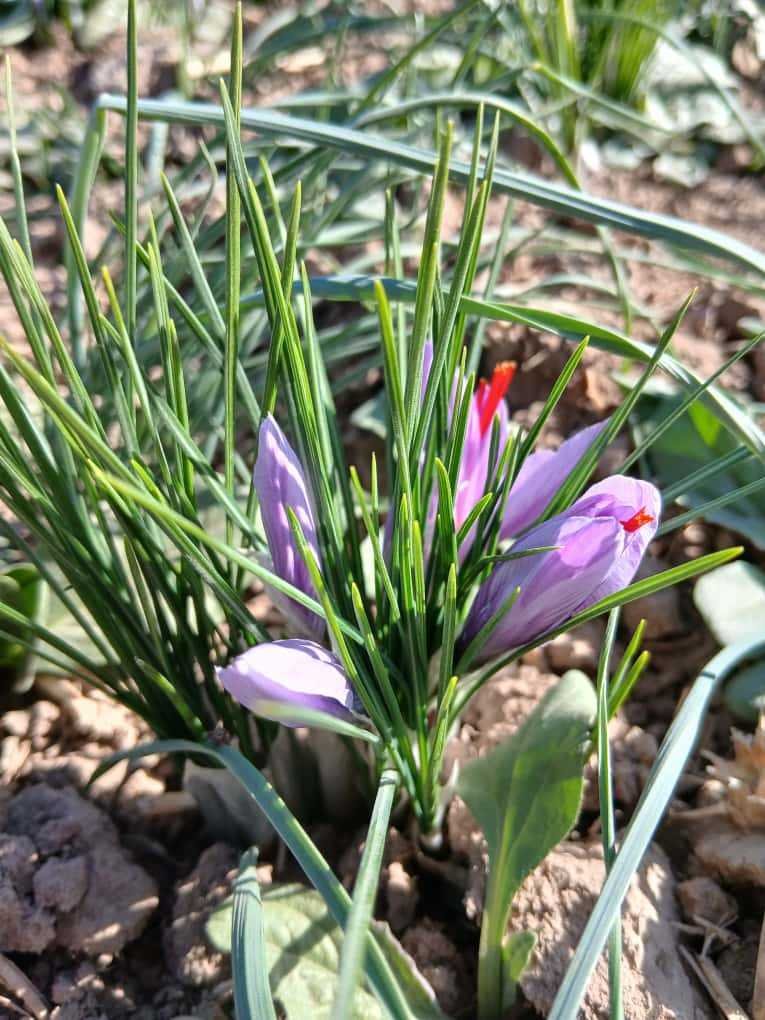
Saffron Intercropping: New Opportunities for Sustainable Farming
Agriculture faces growing pressures worldwide. Rising production costs, limited water, changing weather and fluctuating market prices are encouraging farms to explore different cropping systems.…
Read the article →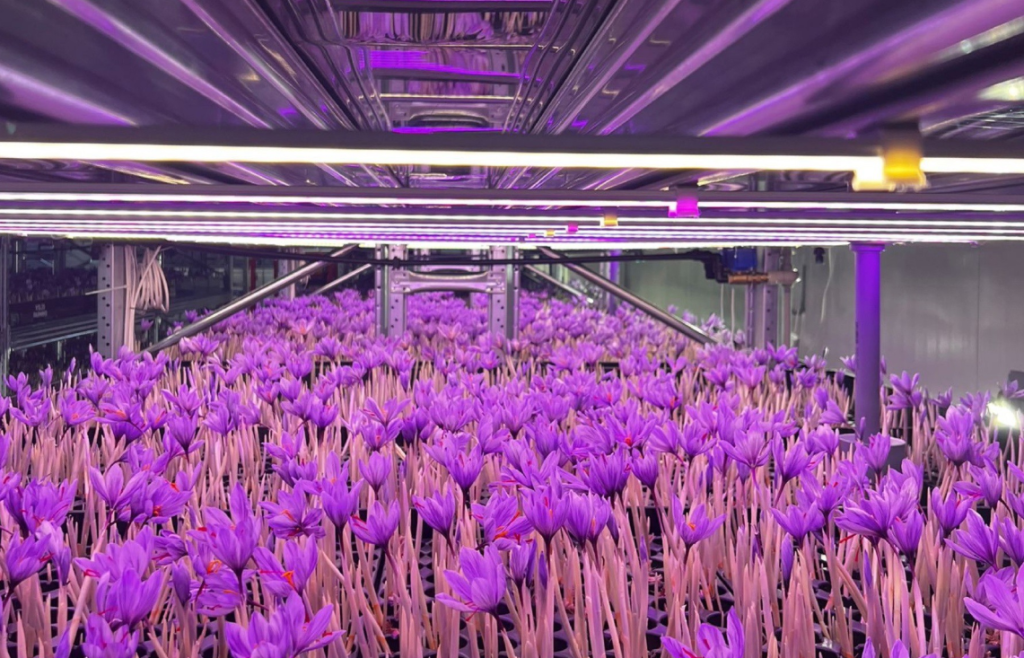
Saffron Innovation: Education, Indoor Cultivation and Evidence
Saffron innovation includes more than a new growing system. It also means connecting cultivation knowledge, post-harvest quality, business planning and evidence about the crop into information that…
Read the article →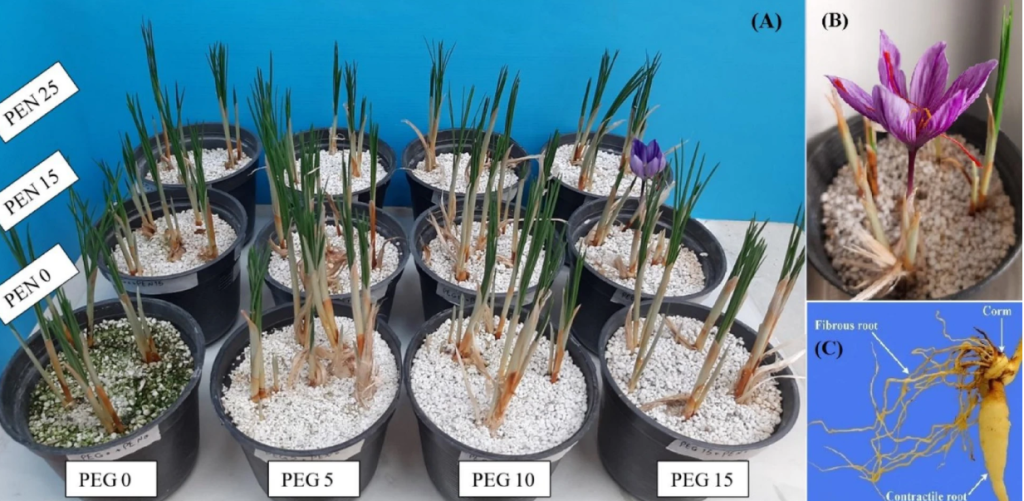
Saffron Drought Tolerance: Research on Fibrous Roots and Penconazole
A research study examines fibrous root responses and penconazole pretreatment under controlled drought stress. Read the findings and their practical limitations.
Read the article →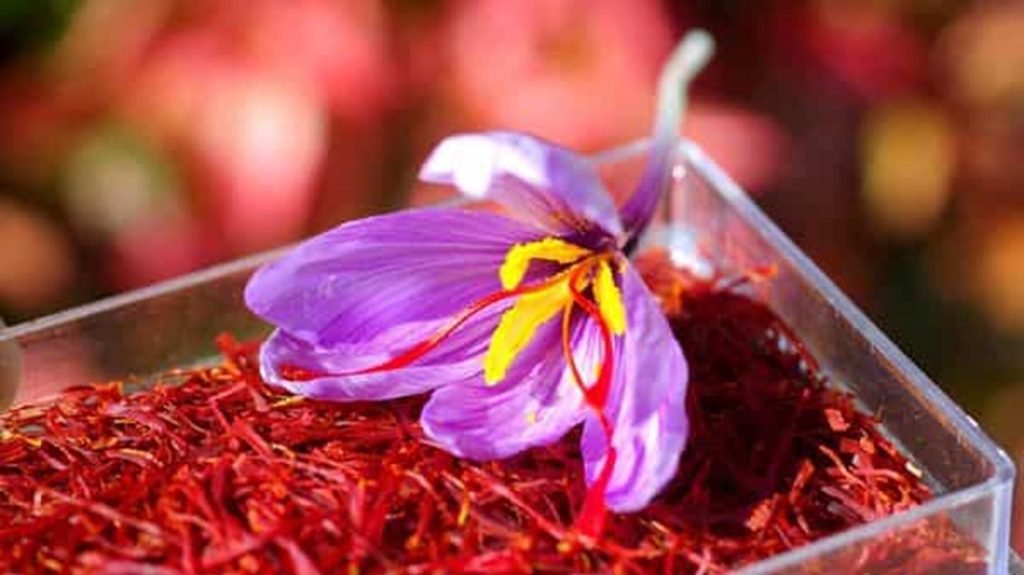
Saffron Cultivation in North Bengal: Trials, Aeroponics and Evidence
Saffron cultivation in North Bengal raises an interesting question: how can growers assess a valuable crop outside its familiar production areas? The University of North Bengal’s Centre of…
Read the article →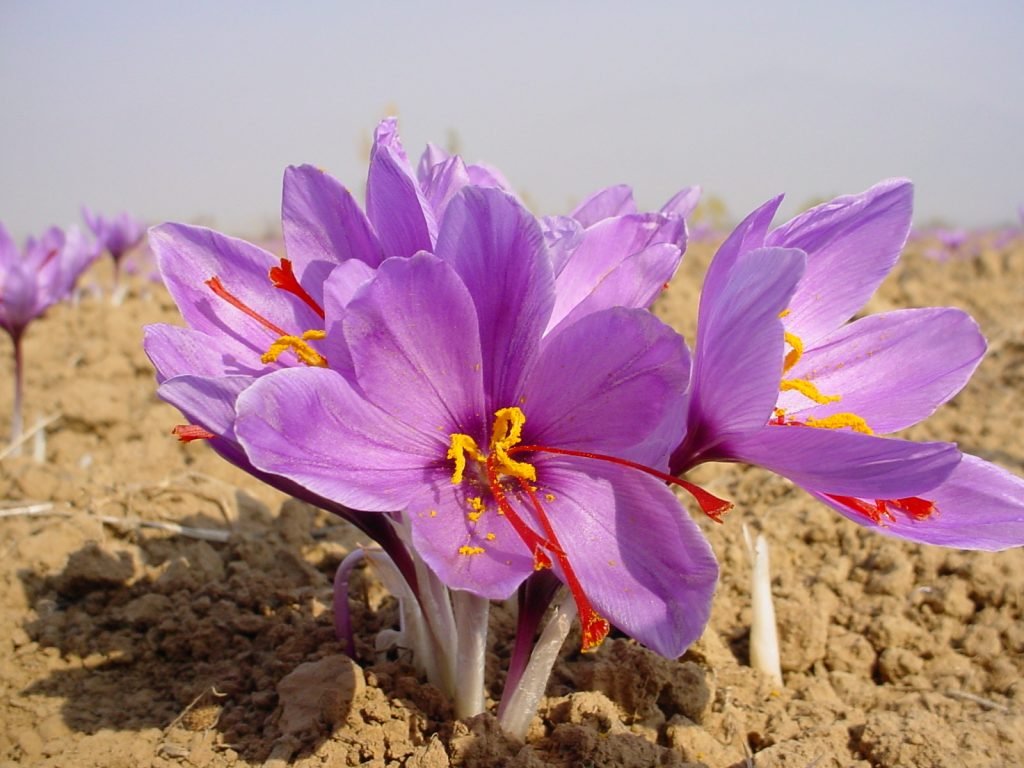
Saffron Cultivation in Germany: A Harvest Story from Saxony
Saffron cultivation in Germany connects a familiar culinary spice with local growing experiments and revived regional interest. An October 2025 MDR report from Döbrichau, near Beilrode in northern…
Read the article →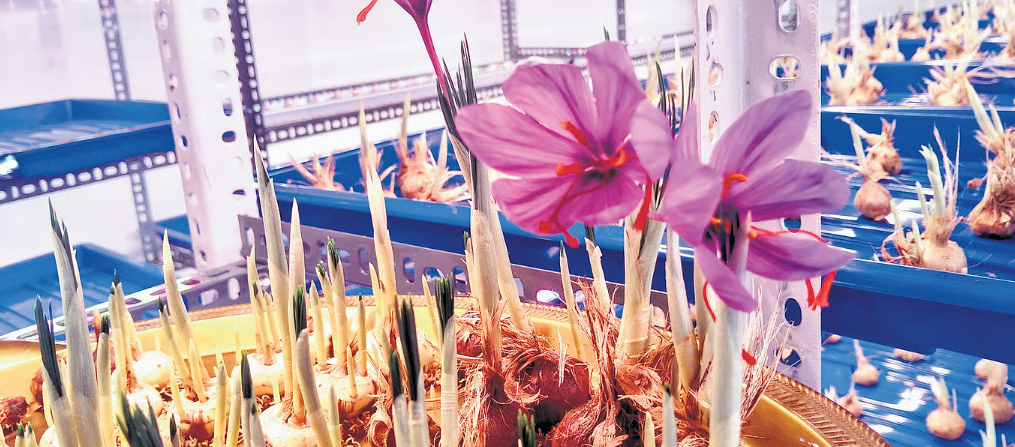
From Kashmir to Thrissur: India’s First Indoor Saffron Farming Success
India’s spice landscape is witnessing a quiet revolution. In Thrissur, Kerala, a former Gulf-based professional, James Kappan, has achieved what was once thought nearly impossible — successfully…
Read the article →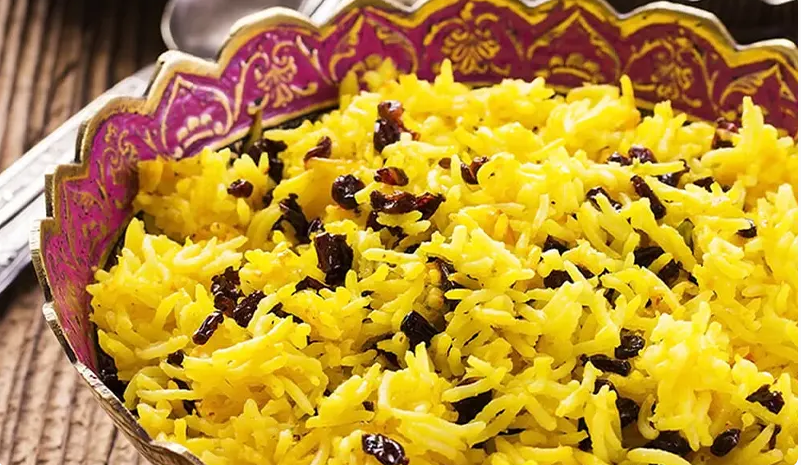
Saffron on the Menu: Persian Flavors Shine in New York’s Eshel Restaurant
In Manhattan’s Upper West Side, the newly opened Eshel Restaurant is introducing New Yorkers to the rich flavors of Persian cuisine — and saffron is at the heart of it.
Read the article →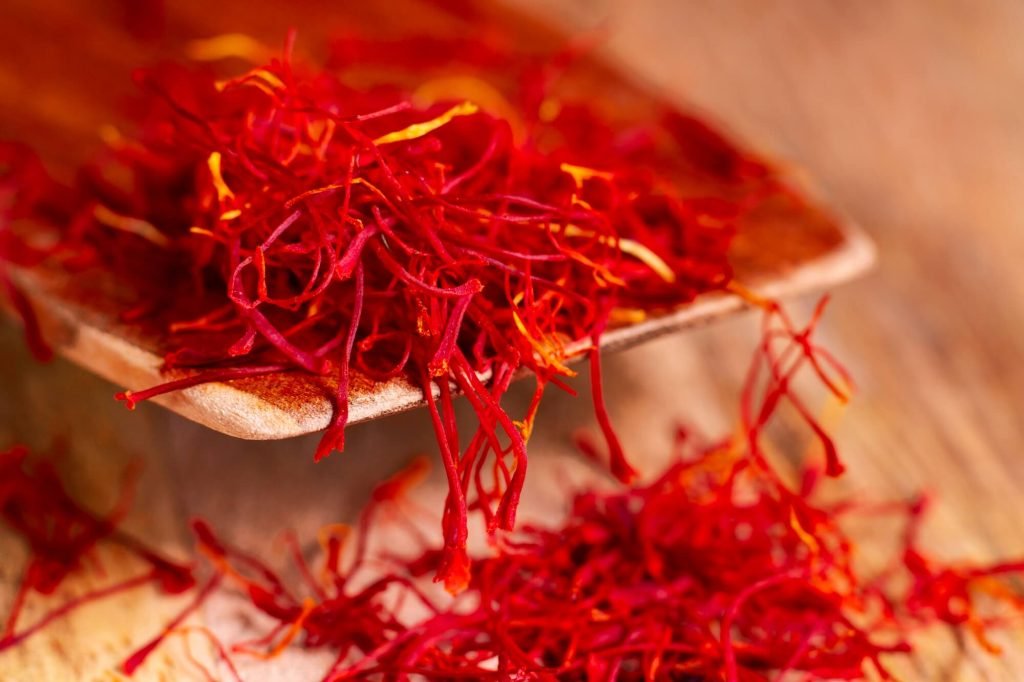
BlueRedGold: Sweden’s Vision for Indoor Saffron Innovation
A Swedish start-up is bringing saffron farming into the future. BlueRedGold, based in Sweden, has announced its plan to build the world’s first scalable indoor saffron cultivation system, supported…
Read the article →
Calabash Gardens: When Saffron Becomes an Experiment in Regenerative Farming
In the quiet hills of Vermont, far from traditional saffron lands, a small farm is proving that innovation and passion can turn even snow-covered soil into fields of red gold. Claudel “Zaka” Chery…
Read the article →Explore this section
Explore saffron innovation in cultivation, food production and industry, with examples of indoor farming, emerging technologies and new applications.
Articles & guides
- Saffron Intercropping: New Opportunities for Sustainable Farming
- Saffron Innovation: Education, Indoor Cultivation and Evidence
- Saffron Drought Tolerance: Research on Fibrous Roots and Penconazole
- Saffron Cultivation in North Bengal: Trials, Aeroponics and Evidence
- Saffron Cultivation in Germany: A Harvest Story from Saxony
- From Kashmir to Thrissur: India’s First Indoor Saffron Farming Success
- BlueRedGold: Sweden’s Vision for Indoor Saffron Innovation
- Calabash Gardens: When Saffron Becomes an Experiment in Regenerative Farming