
Saffron Academy · Knowledge & discovery
Saffron Culture & History
Follow saffron through ancient stories, medieval trade routes and European traditions. Discover how a small flower has connected cuisine, art and daily life across centuries.
A journey through the centuries
Saffron’s history brings together material evidence, written accounts and enduring traditions. Historical uses describe the beliefs and practices of their time; they do not establish modern medical effectiveness.
Antiquity: the Mediterranean world
Ancient Greek and Roman accounts associate saffron with fragrance, colour, medicine and ceremony. These references help explain the plant’s cultural importance and the value placed on its distinctive aroma and golden hue.
The early Middle Ages: manuscripts and herbal knowledge
Monastic and other manuscript traditions preserved knowledge of plants, including saffron. Historical remedies belong to the history of medicine and should be read in that context.
The medieval trading world
Mediterranean and overland trade connected producing regions with European markets. Saffron’s high value made provenance, quality and adulteration recurring concerns for merchants and authorities.
The Renaissance: luxury and display
Saffron’s colour and expense linked it to prestigious food, textiles and courtly culture. Its reputation as “red gold” reflects both the labour involved in producing it and its place in luxury consumption.
Regional European cultivation
European growing traditions developed in several regions, including parts of central Europe. Local harvest practices and regional dishes helped preserve saffron knowledge as trade and agricultural conditions changed.
The modern era
Today, saffron brings together research, fine dining, renewed interest in local cultivation and the protection of regional heritage.
Art, symbolism and celebration
In manuscripts, textiles and decorative traditions, saffron’s golden colour has carried associations with dignity, prosperity and spiritual meaning. Such meanings vary across places and periods.
Festive breads, wedding dishes, harvest celebrations and regional markets connect saffron to shared meals and community identity. These traditions are best understood through specific local stories rather than as a single custom shared by all of Europe.
Historical roots follows the plant’s early cultivation and uses. Saffron in European culture explores symbolism, rituals and festive traditions.
Explore the article collection
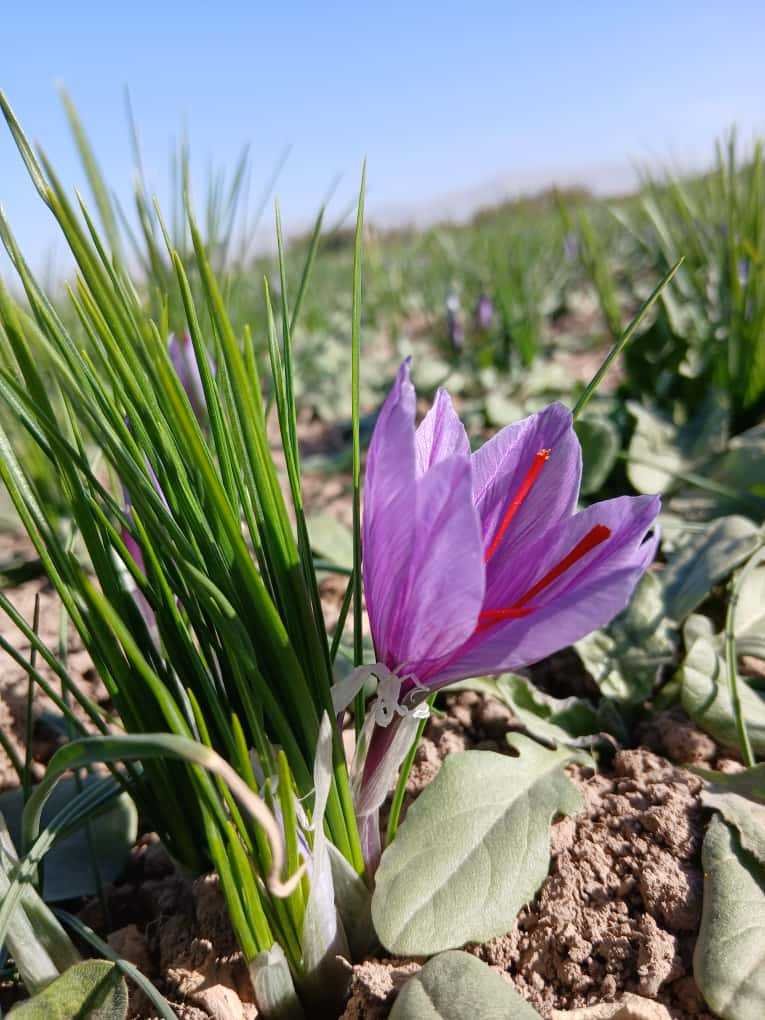
Climate Change and Saffron in Spain: Reading Harvest Data
Climate change and saffron production in Spain deserve a careful reading of both weather records and crop statistics. Heat, water availability and the timing of weather events matter to growers, but…
Read the article →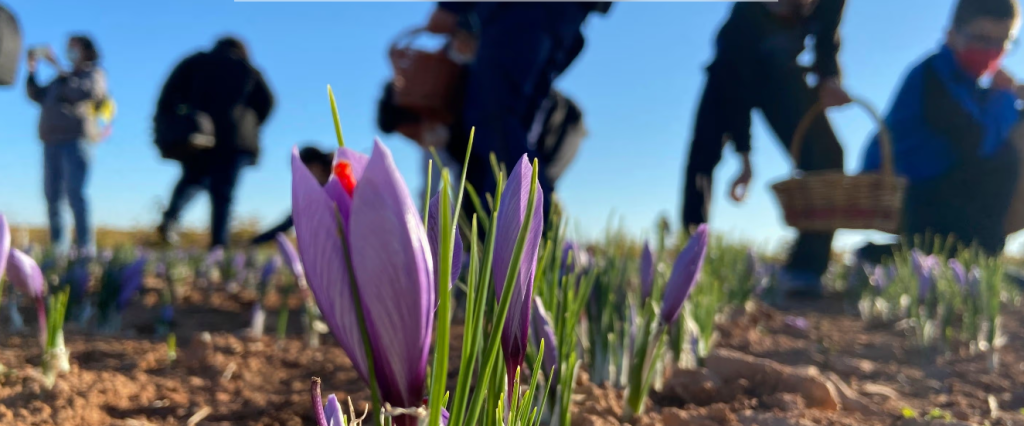
Saffron from La Mancha: Harvest, Heritage and Protected Origin
Saffron from La Mancha connects a treasured spice with a particular landscape and the people who prepare it. The purple flowers, the careful separation of red stigmas and the drying process form a…
Read the article →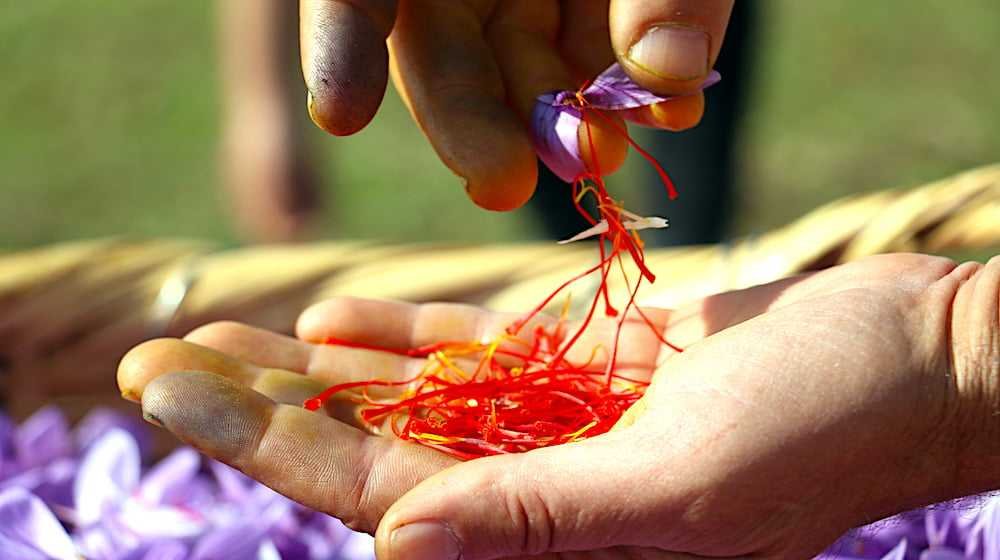
Greek Saffron: Kozani’s Harvest, History & Ancient Myths
Greek saffron brings agriculture, craftsmanship and cultural memory together. Explore the autumn harvest around Kozani, the role of its growers’ cooperative and the difference between ancient saffron…
Read the article →
Persian Saffron Café Brings Taste of Iran to Ottawa
In the heart of Ottawa, a new café is turning nostalgia into artistry. BB Café, co-founded by three Iranian expats — Sara Jelveh, Roozbeh Abbasi, and Narges Shahsavarani — has become a local…
Read the article →Explore this section
Discover saffron culture and history, from its historical roots and the Silk Road to European traditions and contemporary food culture.
Articles & guides
- Saffron from La Mancha: Harvest, Heritage and Protected Origin
- Greek Saffron: Kozani’s Harvest, History & Ancient Myths
- Persian Saffron Café Brings Taste of Iran to Ottawa
- Saffron on the Menu: Persian Flavors Shine in New York’s Eshel Restaurant