
Afghan Saffron – Origin, Quality & People
Saffron from Herat, shaped by place and skilled handwork
Afghan saffron is valued for its colour, distinctive aroma and skilled preparation. This guide explores saffron from Herat, the people who grow and process it, and the laboratory measurements used to assess quality. Origin is part of the story; the quality of an individual batch also depends on harvesting, sorting, drying and storage.
Knowledge from the Saffrona Academy
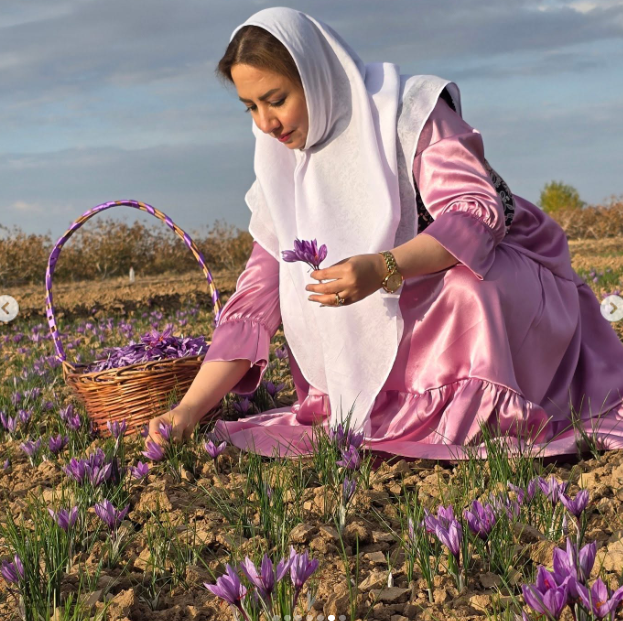
Herat: a distinctive saffron-growing region
Explore the place, cultivation practices and care behind Afghan saffron.
Place and climate
Soil and cultivation
Water and farming practices
Skilled handwork by women
Experience supported by testing
Comparing saffron quality across origins
Afghanistan, Spain and Iran all produce saffron. Country of origin alone does not establish a quality ranking. Compare individual batches using the same analytical methods, relevant laboratory reports and clear information about processing and storage.
High-quality saffron can come from different origins. Crocin, picrocrocin and safranal measurements provide useful information about a tested sample, while authenticity and contaminant testing answer additional questions. These results should not be treated as national averages or guarantees for all saffron from a country.
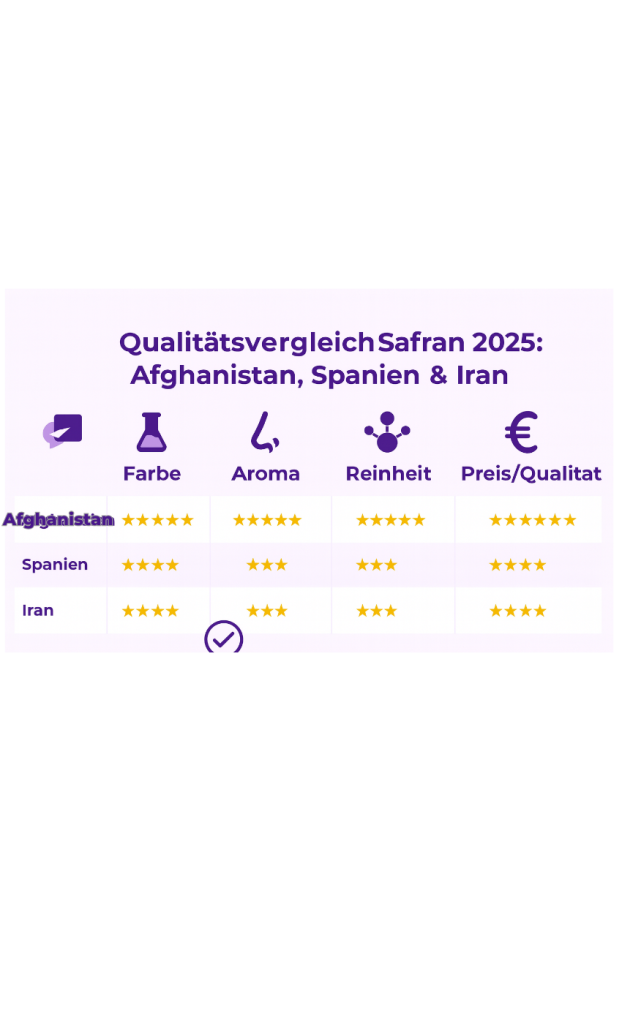
When buying saffron, look for a traceable origin, a clear ingredient list, batch identification and relevant test results. Evaluate value by the product and documentation you receive, rather than a general ranking of countries.
Research: saffron from Herat and Torbat Heydarieh
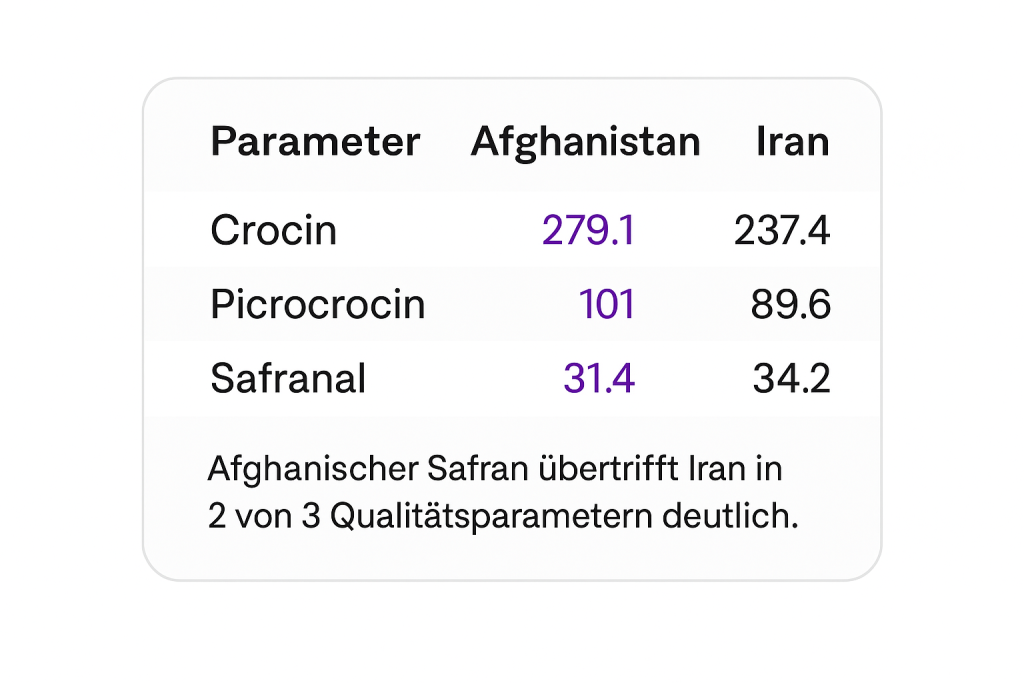
A 2024 study by Nazarian and colleagues compared saffron harvested in 2021 from seven districts of Herat, Afghanistan, and nine villages in Torbat Heydarieh, Iran. Researchers examined crocin, picrocrocin and safranal using spectrophotometric analysis.
Six Herat regions and Abrood village in Iran formed a group with higher quality measurements than the other sampled regions. The findings show variation between growing locations. They do not establish that every Afghan batch is superior to every Iranian batch, and they are separate from Saffrona’s own batch tests.
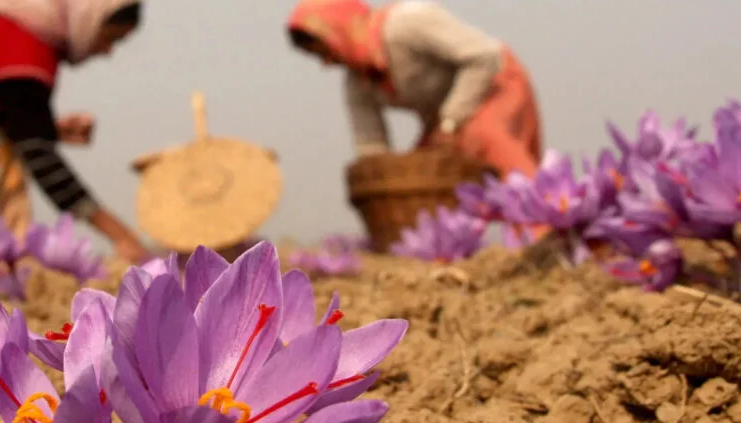
How is saffron quality tested?
Reported results: crocin 279 ± 7; picrocrocin 104 ± 3; safranal 30 ± 3; moisture 7.5 ± 1.2%. These results apply to the tested batch.
The science of Afghan saffron
Saffron consists of the dried red stigmas of Crocus sativus L. Laboratory assessment can provide objective information about a sample, alongside its origin, appearance, processing history and storage conditions.
Understanding laboratory measurements
ISO 3632 assessment includes measurements associated with colouring strength, characteristic taste and aroma. Crocin, picrocrocin and safranal results should be interpreted together and in the context of the test method and the batch examined.
Crocin – saffron’s colouring strength
Crocin-related pigments contribute to saffron’s colouring strength. A laboratory crocin measurement helps assess colour extraction under specified test conditions. The colour achieved in cooking also depends on the amount used, infusion method and recipe. A high value alone does not prove authenticity or the absence of contaminants.
Picrocrocin – characteristic taste
Picrocrocin contributes to saffron’s characteristic bitter taste. Its measurement is one aspect of quality assessment and should be considered with other results. It does not independently prove that saffron is pure or establish how it was harvested.
Safranal – an aroma-related measurement
Safranal contributes to saffron’s distinctive aroma and develops during processing and drying. The spectrophotometric result is an aroma-related quality measurement, rather than a direct description of how a dish will smell. More is not automatically better: interpret it within the applicable standard and alongside other batch results.
Care that shapes saffron quality
Growing conditions, skilled handling and documented checks all contribute to understanding an individual batch.
Water and cultivation conditions
Water availability, drainage, soil and local growing conditions matter in saffron cultivation. Traditional karez irrigation is part of Herat’s agricultural heritage. Claims about water purity or contaminants require relevant testing rather than assumptions about the region.
Harvesting and sorting by hand
Harvesters collect the flowers and separate the delicate stigmas by hand. Careful sorting helps remove unwanted plant material and prepare the threads for drying. Skilled handling is important, but it does not replace laboratory assessment.
Careful drying and storage
Drying conditions influence saffron’s composition and aroma. Careful drying and protection from moisture, light and heat help preserve the product during storage. The final quality should be assessed on the batch itself.
Traceable origins and batch testing
Knowing the growing location and the people involved makes the supply chain easier to understand. Claims such as pesticide-free or contaminant-free need appropriate test evidence. Saffrona’s quality documentation identifies the batch and the tests performed.
Saffrona’s saffron cuts: LAAL, PAYWAND and ZARRIN
LAAL, PAYWAND and ZARRIN are names used by Saffrona to describe different presentations of saffron threads. The cut describes the plant parts and appearance; it is separate from a laboratory quality classification.
LAAL – Pure-Red Cut
LAAL presents the deep-red parts of the stigmas with the yellow style portion removed.
Features:
Red thread presentation
Suitable for measured infusions
For desserts, drinks and savoury dishes
The cut alone does not guarantee a particular laboratory result.
PAYWAND – Joined-Crown Cut
PAYWAND presents three connected stigmas with a small golden base.
Features:
Connected thread presentation
Useful for cooking and foodservice
A distinctive way to present Afghan saffron
Choose the amount through your own recipe trials.
ZARRIN – Whole-Stigma Bunch
ZARRIN presents saffron in a whole-stigma bunch, with red stigmas and a golden base.
Features:
A traditional thread presentation
For dishes such as Kabuli Palau
A visible expression of careful sorting and handwork
The presentation is distinct from the batch’s laboratory classification.
The people behind Saffrona’s Afghan saffron
Saffrona’s Afghan saffron comes with a human story. Behind its harvesting and sorting are Raihana, the Saffron Sisters community in Herat, and women whose experience and careful handwork shape the product.
From flower to thread: the work of women in Herat
Early-morning harvest in Herat
Hand sorting by the Saffron Sisters
Women at the heart of the saffron community
Raihana – our voice from Herat
Raihana, Saffrona’s Saffron Girl, coordinates harvesting on family-run fields in Herat. She supports women in careful harvesting, sorting and quality awareness, helping connect the work at origin with the saffron offered by Saffrona.
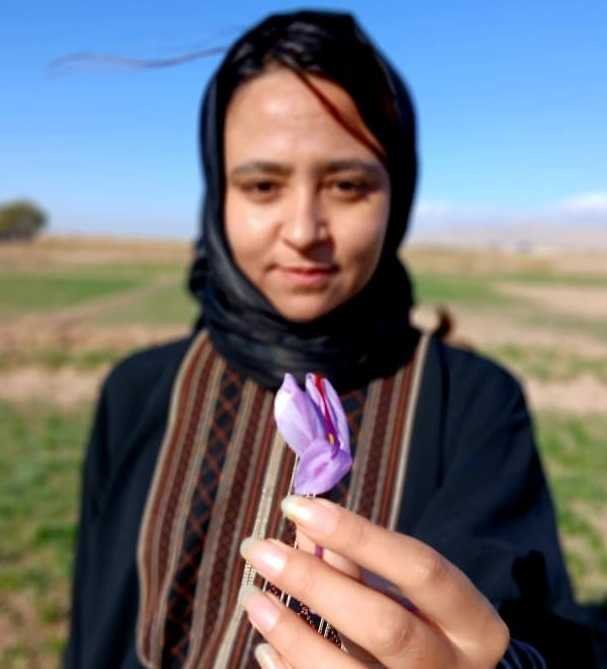
Buying Afghan saffron from Saffrona supports our direct relationships with women growers in Herat and helps share their saffron traditions.
Articles and research on Afghan saffron
Explore origins, processing and quality through articles from the Saffrona Academy. Research results relate to the samples and methods studied.
A note on the evidence
Research articles describe the samples, locations and methods used in each study. Findings should not be assumed to apply to every origin, harvest or batch. Saffrona’s own laboratory results are identified separately by batch number.
Explore this section
Discover Afghan saffron from Herat: growing conditions, harvesting, traditional thread cuts, laboratory quality and the people behind its production.
Articles & guides
- Saffrona Saffron: Batch L2025-01 Assessed as Special Grade
- Saffron from Afghanistan: Quality, Origin & Opportunities for Growers
- Saffrona ZARRIN: Whole Saffron Threads in Gold and Red
- Saffrona PAYWAND: The Joined Crown of Afghan Saffron
- Saffrona LAAL: Afghan Saffron in a Pure-Red Cut
- Saffron Drought Tolerance: Research on Fibrous Roots and Penconazole
- Afghan Saffron Success Story: From Herat Fields to Chicago Markets
- Afghan and Iranian Saffron: What a Regional Quality Study Found