
Saffrona PAYWAND describes a joined-crown cut: the three red saffron stigmas remain connected, with a small golden section visible at their base.
The presentation preserves the natural connected structure and offers a distinctive form for cooking with saffron’s colour, aroma and flavour.
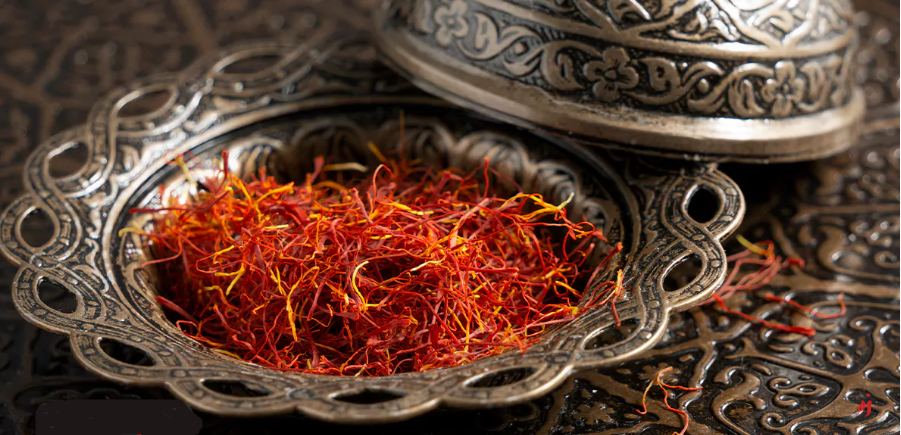
Afghan origin and the meaning of PAYWAND
In Dari, paywand (پیوند) means a connection or bond. The name reflects the three stigmas remaining joined and the idea of togetherness behind this selection.
Saffrona brings this Afghan cultural reference into a naming system that international customers can understand. The saffron originates in Herat, Afghanistan.
How does PAYWAND relate to other trading terms?
The Iranian term Pushal is used for saffron forms retaining part of the yellow base. PAYWAND is Saffrona’s name for its own joined selection with a small golden section.
The name describes a cut, rather than a universal comparison between countries or producers. The amount of base, sorting, drying and tested quality depend on the actual product.
Developed within Saffrona’s naming system
Saffrona in Germany created the names LAAL, PAYWAND and ZARRIN to make Afghan-inspired selections visible and straightforward to compare.
- LAAL: separate pure-red portions.
- PAYWAND: a joined red crown with a small golden base.
- ZARRIN: whole threads in red and gold.
Where can you use PAYWAND?
- Rice dishes, including paella and risotto.
- Meat and vegetable stews.
- Saffron tea, milk drinks and lattes.
Prepare a small saffron infusion before adding it to the dish, so its colour and flavour can spread evenly. Adjust the quantity to the recipe rather than treating the cut name as a dosing rule.
Explore PAYWAND
Explore the Saffrona shop and compare LAAL with ZARRIN.