
Care for children with attention-deficit/hyperactivity disorder (ADHD) can include behavioural support and, depending on age, symptoms and individual circumstances, medicines such as methylphenidate.
These approaches help many children, but responses and tolerability vary. Appetite changes or sleep difficulties may lead families and clinicians to consider additional options.
Saffron, Crocus sativus L., has attracted research interest because its constituents may influence neurological processes. What do the clinical studies actually show, and how strong is the evidence?
What is currently known about saffron and ADHD?
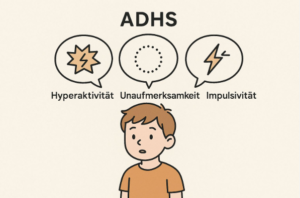
ADHD is a neurodevelopmental condition associated with inattention, hyperactivity and impulsivity. Symptoms and their effects on school and family life vary substantially.
Methylphenidate is an established medicine in ADHD care. Some patients have an inadequate response or difficulty tolerating treatment, motivating research into other approaches.
Saffron is one plant preparation being investigated. Published studies report interesting preliminary findings, while leaving substantial uncertainty about its clinical role.
Why investigate saffron for ADHD?
The research is based on biological hypotheses as well as saffron’s history of use. Constituents of interest include:
- Crocin.
- Crocetin.
- Safranal.
- Picrocrocin.
Laboratory and animal work explores antioxidant activity, possible neuroprotective effects and influences on serotonergic or dopaminergic signalling.
Researchers also investigate inflammation and oxidative stress in the nervous system. These mechanisms provide reasons for testing a hypothesis; they do not demonstrate a clinical benefit in children.
The 2019 randomised pilot trial
A randomised, double-blind trial by Sara Baziar and colleagues compared saffron capsules with methylphenidate in children and adolescents with ADHD.
The study included 54 participants aged 6–17 with a DSM-5 diagnosis. Treatment lasted six weeks. Participants received either methylphenidate or saffron capsules at 20–30 milligrams daily according to the study’s weight-based protocol.
These amounts describe the experiment, not a dosing recommendation. The two preparations are different products despite their doses being expressed in the same unit.
Parents and teachers completed the ADHD Rating Scale-IV. The researchers found no statistically significant difference between the groups in the reported symptom changes. The frequency of adverse effects was also similar.
The authors called for larger controlled studies with longer treatment periods. The findings are preliminary and cannot support a general recommendation to replace standard care.
What did later clinical research examine?
A 2022 study in Nutrients examined a specific saffron extract alongside methylphenidate using both questionnaires and objective tests.
It considered core ADHD symptoms and executive functioning, with interest in hyperactivity, attention and sleep-related outcomes. It reported improvements in both groups, with differences across symptom areas.
This study was non-randomised and non-blind. Those design limitations make it less suitable for a firm causal comparison than a well-conducted randomised blinded trial.
Its findings add questions for further research. They do not establish that saffron should replace methylphenidate or that the two approaches have generally equivalent effectiveness.
Can saffron improve ADHD symptoms?
The key issue is the strength of the overall evidence, rather than whether an individual study reported a favourable change.
Three observations help frame the research:
- Some small clinical studies associate saffron preparations with changes in ADHD symptoms, including hyperactivity.
- They do not provide a conclusive demonstration of superiority or general equivalence to established medicine.
- Short-term tolerability findings do not establish long-term safety in children and adolescents.
The careful conclusion is that early signals require confirmation through larger, independent, longer trials.
What roles might crocin and safranal play?
Saffron’s bioactive constituents interest researchers because they may affect several processes in the central nervous system.
Experimental studies consider antioxidant, inflammation-related and neuroprotective activity, as well as possible effects on serotonin and dopamine pathways.
Dopamine and noradrenaline are important in the pharmacological management of ADHD. This creates a rationale for investigating whether saffron influences relevant pathways.
The rationale remains distinct from proof. A mechanism observed in a laboratory or animal model does not automatically occur in clinical practice or explain an improvement in a child.
What are the main limitations?
Small participant groups
Most studies include fewer than one hundred participants. Small samples limit statistical precision and the ability to identify uncommon harms.
Short study periods
Many trials last six to eight weeks. ADHD is a continuing developmental condition, so short studies cannot establish sustained benefit or safety over years.
Different preparations
Extracts, capsules and manufacturing methods differ. Constituent concentrations and characterisation matter; findings for one study product should not be transferred to every saffron product.
Uncertain dosing
The most appropriate dose, if any, for a clinical role is not established. Study amounts are not instructions for parents, and an extract cannot be directly equated with the same weight of culinary saffron.
Limited longer-term safety evidence
A lack of serious problems in a small short-term trial does not exclude rare or delayed risks. Longer follow-up is particularly important in children.
For the wider distinction between reported events and confirmed side effects, read our saffron tolerability review.
What does this mean for parents and people with ADHD?
Interest in additional options is understandable. Scientific interest should nevertheless be distinguished from a clinical recommendation.
The evidence discussed here does not establish saffron as a standard ADHD treatment. It also does not support independently replacing a medicine or starting a saffron supplement for a child.
Treatment decisions should be made with qualified professionals who can consider diagnosis, symptoms, other conditions, medicines and the particular product.
Related paediatric discussion is available from the Children’s Hospital of Philadelphia.
Scientific conclusion
Saffron and ADHD research has produced preliminary findings that merit closer study. Possible biological mechanisms add to the rationale, but mechanisms alone do not establish effectiveness.
The existing studies are mostly small and short, with different designs and preparations. They cannot settle effectiveness, appropriate dosing or long-term safety.
The evidence therefore supports further independent research while keeping expectations realistic. Saffron is an investigational approach in this context, not an established replacement for ADHD diagnosis and treatment.